
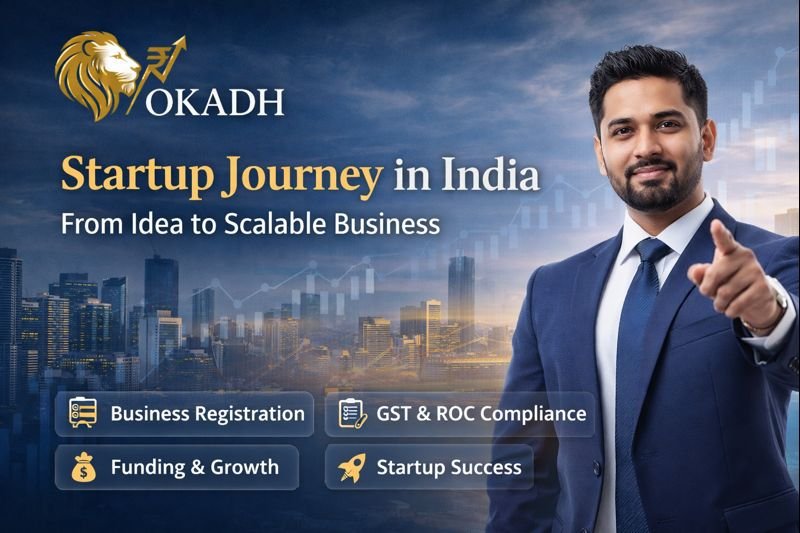
India has emerged as one of the world’s most vibrant startup ecosystems. With supportive government policies, a growing digital economy, access to global markets, and a young entrepreneurial population, startups today have more opportunities than ever before. However, building a successful startup is not just about having a great idea—it requires clear vision, legal compliance, financial discipline, and strategic execution.
This blog serves as a comprehensive guide for startups, covering everything from ideation and registration to compliance, funding, and long-term sustainability.
1. Understanding What a Startup Truly Is
A startup is not merely a newly registered business. It is an organization designed to solve a problem at scale, often under conditions of uncertainty. Unlike traditional businesses, startups focus on:
- Innovation and technology
- Rapid growth and scalability
- Market disruption
- Agile decision-making
In India, a startup is officially recognized under the Startup India Initiative if it meets criteria related to age, turnover, and innovation.
2. Ideation: The Foundation of Every Startup
Every successful startup begins with a strong idea—but not every idea becomes a viable business.
Key Questions to Ask:
- What problem am I solving?
- Who is my target customer?
- Is this problem urgent and valuable?
- Are customers willing to pay for the solution?
- What makes my solution different or better?
Market research, customer interviews, and competitor analysis are essential at this stage. Many startups fail because they build products without validating demand.
3. Choosing the Right Business Structure
Selecting the appropriate legal structure is one of the most critical decisions for a startup.
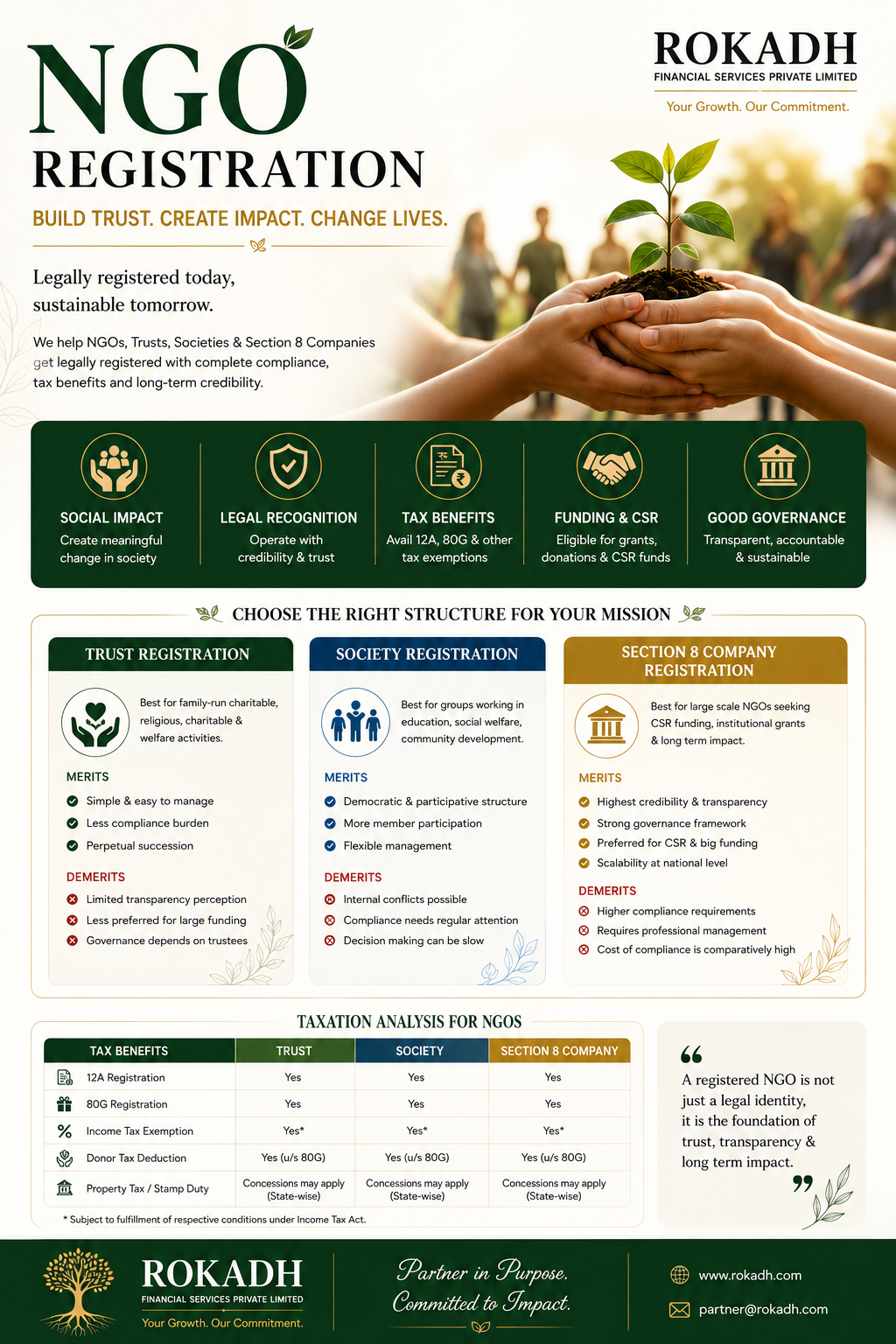
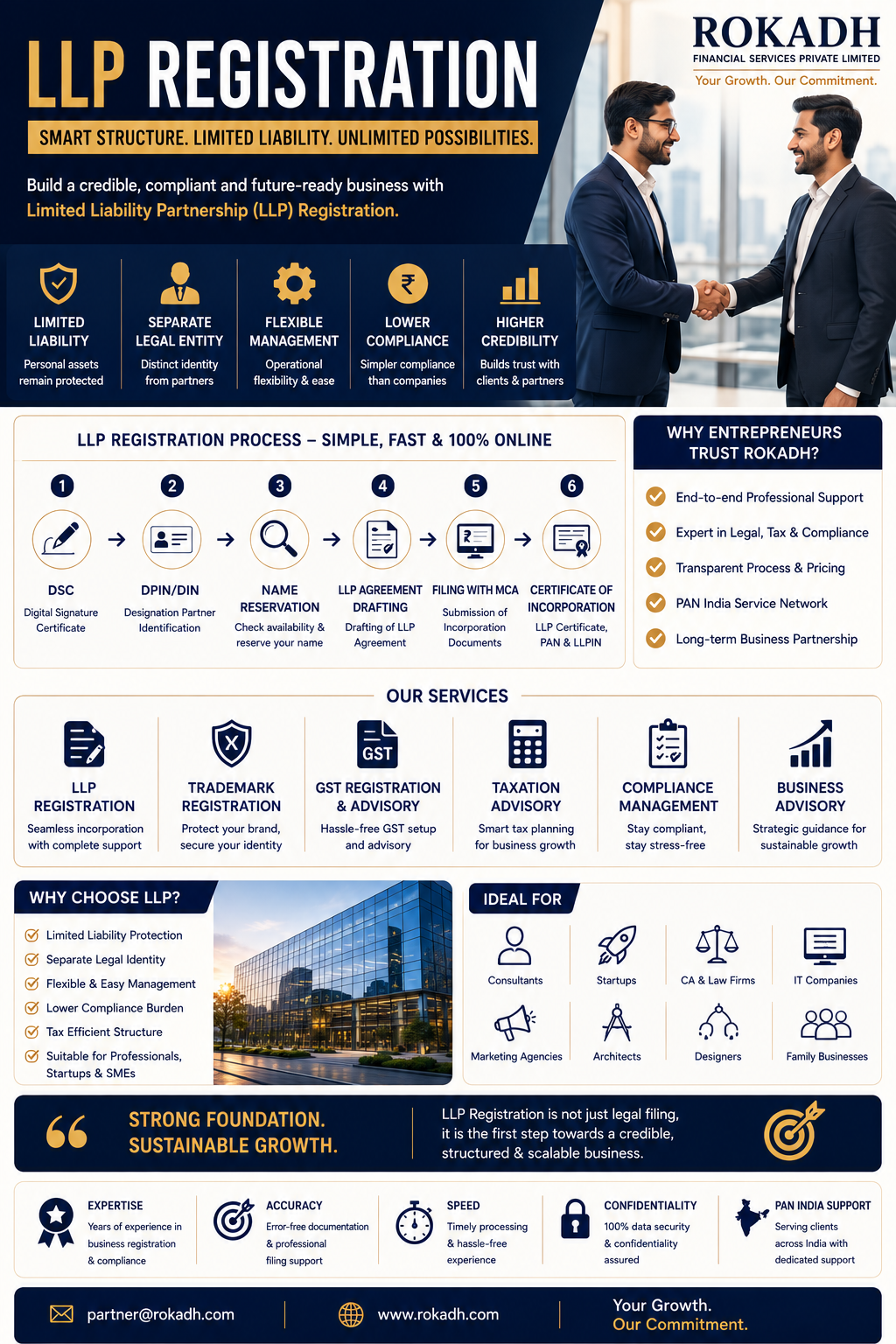
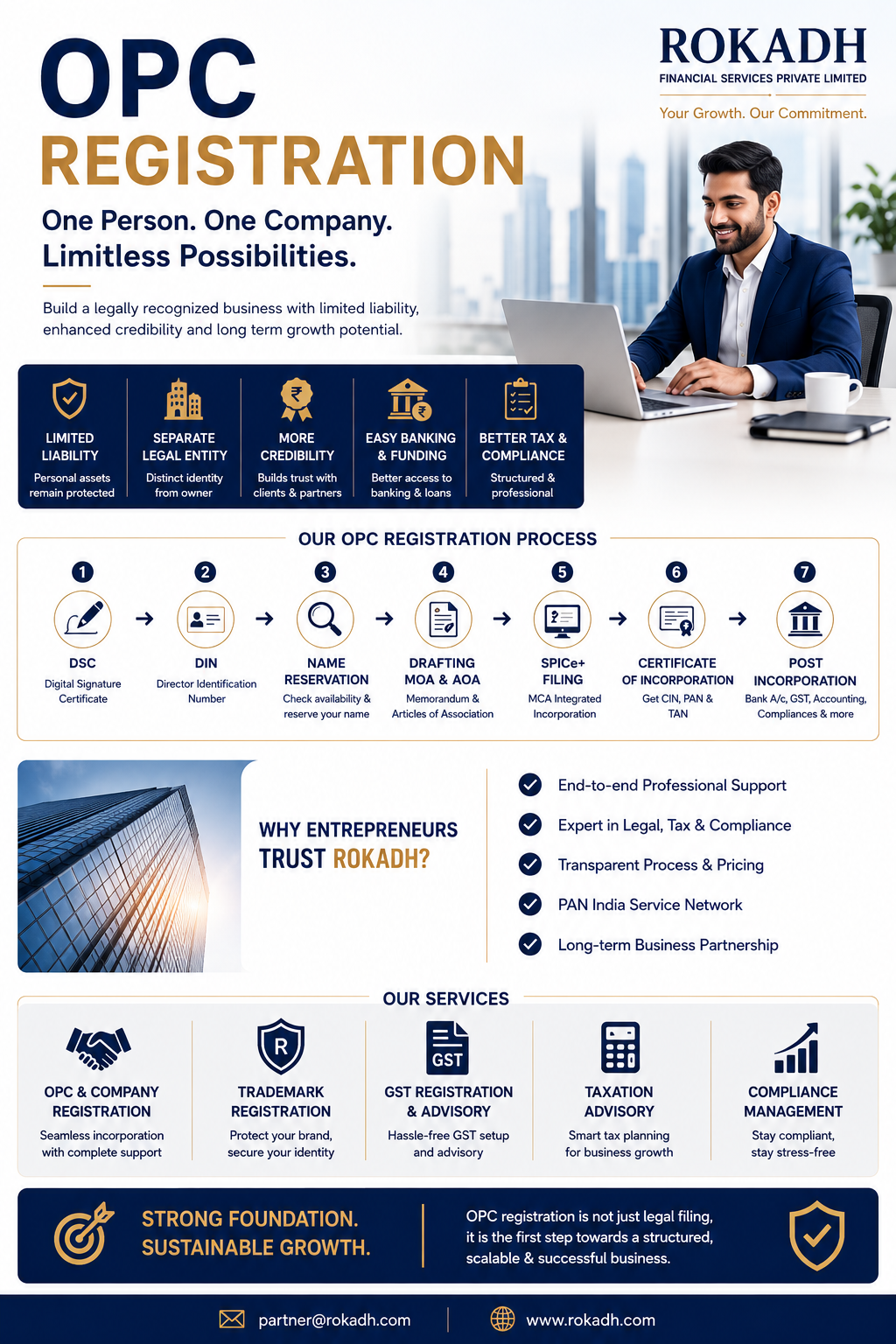
Common Startup Structures in India:
- Private Limited Company – Preferred for scalability and fundraising
- Limited Liability Partnership (LLP) – Suitable for professional services
- One Person Company (OPC) – Ideal for solo founders
- Partnership / Proprietorship – Simple but limited in growth potential
Most startups aiming for funding choose a Private Limited Company due to ease of equity dilution and investor preference.
4. Startup Registration & Legal Setup
Once the structure is finalized, startups must complete essential registrations:
Mandatory Registrations:
- Company incorporation with MCA
- PAN & TAN
- Bank account opening
Additional Registrations (as applicable):
- GST Registration
- MSME (Udyam) Registration
- Startup India (DPIIT) Recognition
- Shops & Establishment Registration
- PF & ESI Registration
Proper registration not only ensures compliance but also builds credibility with investors, customers, and banks.
5. Startup India & Government Benefits
The Government of India actively supports startups through the Startup India Initiative, offering:
- Income tax exemption for eligible startups
- Angel tax exemption
- Fast-track IPR support
- Easier public procurement
- Access to funding and incubators
However, these benefits are available only if startups comply with eligibility conditions and maintain proper documentation.
6. Financial Planning & Accounting Discipline
Many startups fail not because of poor ideas, but due to cash flow mismanagement.
Key Financial Aspects:
- Setting up proper accounting systems
- Tracking revenue, expenses, and burn rate
- GST compliance and reconciliation
- TDS compliance
- Payroll and statutory deductions
- Budgeting and forecasting
Early adoption of financial discipline helps startups make data-driven decisions and prepares them for audits and funding rounds.
7. Compliance: The Backbone of a Sustainable Startup
Compliance is often ignored in the early stages, but non-compliance can lead to penalties, notices, and even shutdowns.
Key Ongoing Compliances:
- GST returns (GSTR-1, GSTR-3B)
- TDS returns & payments
- ROC filings (AOC-4, MGT-7)
- Event-based filings (DIR-12, PAS-3, MGT-14)
- PF & ESI payments
- Income tax returns
Startups must understand that compliance is not optional—it is a strategic necessity.
8. Funding & Investment Readiness
Raising funds is a major milestone for startups, but it requires preparation.
Common Funding Stages:
- Bootstrapping
- Angel investment
- Seed funding
- Series A, B, C…
What Investors Look For:
- Clear business model
- Compliance hygiene
- Transparent financials
- Strong founding team
- Market traction
Incomplete ROC filings, tax defaults, or poor bookkeeping can derail funding discussions during due diligence.
9. Building the Right Team & Culture
A startup’s growth depends heavily on its people.
Key Considerations:
- Hiring for skill and cultural fit
- Clearly defined roles and responsibilities
- Employee contracts and ESOPs
- Payroll compliance
- Performance-driven culture
Startups that invest early in HR compliance and culture often scale more sustainably.
10. Technology, Automation & Scalability
Technology is a growth multiplier for startups.
Areas to Automate:
- Accounting & compliance
- CRM and customer support
- Inventory and supply chain
- Payroll and HR
- Data analytics
Automation not only reduces errors but also allows founders to focus on strategy and innovation.
11. Common Mistakes Startups Must Avoid
- Ignoring compliance until notices arrive
- Mixing personal and business finances
- Over-hiring too early
- Scaling without product-market fit
- Poor documentation
Avoiding these mistakes can save startups from costly setbacks.
12. The Role of Professional Support
Founders should focus on growth—not paperwork.
Professional support in areas like taxation, ROC compliance, accounting, and payroll allows startups to operate smoothly and stay investor-ready at all times.
Conclusion: Building a Startup That Lasts
Starting a business is exciting, but sustaining it requires discipline, compliance, and strategic clarity. Indian startups today have unprecedented opportunities—but only those that combine innovation with compliance and financial discipline will truly succeed.
A startup that is legally compliant, financially transparent, and strategically focused is not just built to survive—but to scale and lead.
About Rokadh
Rokadh supports startups at every stage of their journey—from incorporation and registrations to taxation, ROC compliance, and ongoing advisory. With the right guidance, startups can focus on innovation while ensuring complete legal and financial compliance.
🌐 Visit www.rokadh.com for more insights, guides, and startup solutions.